Osteosarcoma is the most common primary bone cancer in dogs and a less common but serious cancer in cats.
Osteosarcoma is the most common primary bone cancer in dogs and a less common but serious cancer in cats. It tends to be aggressive, painful, and prone to spreading, most often to the lungs and other bones.
At Angel Care, our priorities are to relieve pain, explain realistic treatment options, and help you make decisions that protect both comfort and the quality time your pet has with you.
Osteosarcoma is a malignant tumor that arises from bone‑forming cells. In dogs it most often affects the long bones of the limbs, such as near the shoulder, wrist, or knee, and can also occur in the spine, ribs, jaw, or pelvis. In cats it is less common but can affect many of the same areas.
The tumor weakens the bone as it grows. This causes deep, often worsening pain and can lead to a sudden pathologic fracture, where the bone breaks through the tumor with normal activity or even at rest.
Many families first notice:
These signs may come and go at first, then usually progress over weeks to months. Sudden, severe pain and inability to bear weight can occur if the bone fractures through the tumor.
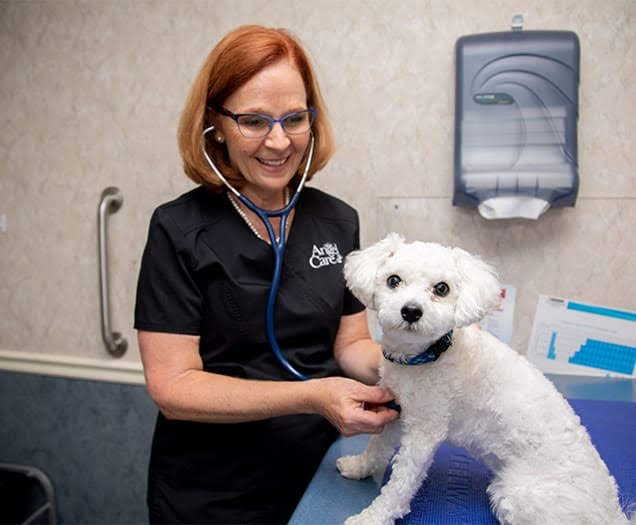
Diagnosis typically involves:
Because osteosarcoma often spreads, we also recommend staging tests. These may include chest imaging to look for lung nodules and, in some cases, additional imaging of other bones or organs. Staging helps us understand how advanced the cancer is and guides treatment choices and expected outcomes.

There is no single right answer for every pet. The best plan depends on where the tumor is, whether it has spread, your pet’s overall health, and your family’s goals. Broadly, we focus on two things: controlling the local pain in the bone and addressing the risk of spread.
For many dogs with a limb osteosarcoma, amputation of the affected leg is the most reliable way to quickly relieve pain and remove the primary tumor. Most dogs, even large ones, adapt to three legs better than people expect, especially if they were otherwise strong and mobile before the cancer developed.
Amputation by itself does not cure osteosarcoma, because microscopic spread to other parts of the body is often already present. However, it can provide significant pain relief and improved quality of life for the time a pet has.
In select cases, such as tumors in specific locations or in patients who are not good candidates for full amputation, limb‑sparing procedures or more advanced localized treatments may be considered. These might involve removing part of the affected bone and stabilizing the limb, or using focused radiation to control local pain and tumor growth.
When surgery is not possible, radiation therapy can help reduce pain and improve function, often in combination with strong pain medications and other supportive care.
Because osteosarcoma commonly spreads, chemotherapy is often recommended after local treatment such as amputation or limb‑sparing surgery. The goal is to slow the growth of microscopic metastases and extend good‑quality survival time.
Chemotherapy is usually given as a series of treatments over several months. Most dogs tolerate it better than people expect, and we adjust protocols to protect your pet’s comfort as much as possible. In cats, osteosarcoma may behave somewhat differently, and recommendations can vary depending on location and individual factors.
In most dogs and cats, osteosarcoma is not considered curable with current standard therapies, especially once it has spread. With aggressive treatment that includes amputation or limb‑sparing plus chemotherapy, many dogs can enjoy additional months of good‑quality life, and a smaller number may live longer than average.
Without chemotherapy, survival after amputation or other local treatment is typically shorter. Without any tumor‑directed treatment, the disease often progresses quickly, with worsening pain and an increasing risk of pathologic fracture or spread to other organs.

Some families decide that amputation or aggressive surgery is not right for their pet. In those situations, we can still help through palliative care, which focuses entirely on comfort and relief of pain. Palliative options can include:
Even with palliative care only, osteosarcoma is expected to progress. Our role is to help manage pain proactively, watch for signs of worsening discomfort or fracture, and support you in making end‑of‑life decisions before suffering becomes unmanageable.

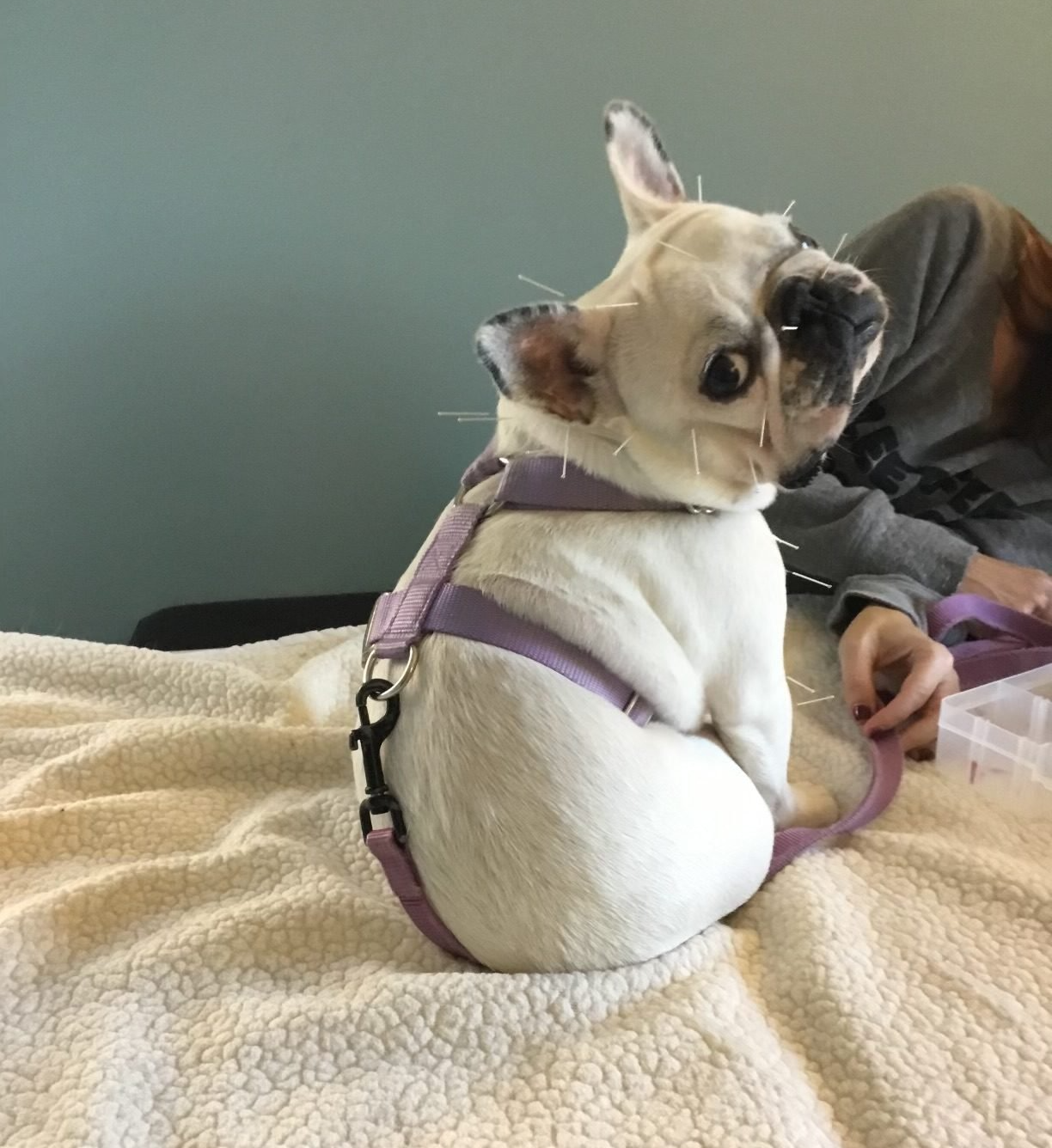
Many families are interested in diet changes, supplements, or other holistic approaches for cancer. These can sometimes play a supportive role in overall wellbeing and comfort. However, there is no evidence that holistic treatments alone can control osteosarcoma or prevent spread in the way that surgery and chemotherapy can.
At Angel Care, we are open to integrative care when it is safe and compatible with your pet’s main treatment plan. We will review any products you are considering so we can avoid interactions or side effects and keep the focus on your pet’s comfort.
A diagnosis of osteosarcoma can be frightening, especially when you are facing decisions about major surgery, chemotherapy, or advanced pain control. Our job is to:
We will never pressure you into a particular treatment. Instead, we aim to walk beside you, answer your questions plainly, and help you choose the approach that feels most compassionate and appropriate for your pet.