Melanoma is a cancer that arises from pigment producing cells called melanocytes. In dogs it most often affects the mouth, lips, toes, and skin. In cats it is less common but can involve the eyes, skin, or mouth. Some melanomas behave in a benign way, while others are aggressive and likely to spread.
At Angel Care, we focus on understanding where the melanoma is, how it is likely to behave, and which treatment options can provide the best balance of comfort, function, and time with your pet.
Melanocytes are cells that make pigment in the skin and other tissues. When these cells grow out of control they form a melanoma. Melanomas can be:
Behavior depends strongly on location and on the microscopic appearance of the tumor. Some skin melanomas are cured with surgery. Oral and digital melanomas are more likely to invade nearby tissue and spread to lymph nodes and lungs.
Families may notice:
Any new mass, especially in the mouth or on a toe, is worth having checked promptly. Early diagnosis often allows more options and better control.

Diagnosis usually involves:
Because malignant melanomas often spread, staging tests are recommended. These may include chest imaging, lymph node aspirates, and sometimes advanced imaging such as CT or MRI for oral or digital tumors. Staging helps us see whether the cancer has spread and guides treatment and prognosis.

Treatment is tailored to location, stage, and your pet’s overall health. The main tools are surgery, radiation therapy, immunotherapy or chemotherapy, and supportive care.
If the tumor cannot be removed completely, or surgery alone would leave a high risk of recurrence, radiation therapy can help control local disease. This is often used for oral melanomas and sometimes for melanoma in other difficult locations.
Radiation can shrink the tumor, relieve pain or bleeding, and improve function. It may be used alone, after surgery, or along with immunotherapy or chemotherapy.
Surgery is usually the first and most important step when the tumor can be removed. The goal is wide, complete excision of the melanoma along with a margin of normal tissue.
We work with you to balance effective tumor removal with function and appearance, and to anticipate how surgery will affect eating, walking, and daily comfort.

For many malignant melanomas, especially oral and digital tumors, additional medical therapy is considered. Options may include:
These treatments are usually combined with good local control when possible. The goal is to slow or limit spread and extend good quality survival time.

Some melanomas, especially small benign skin tumors that are fully removed, can be cured with surgery alone. In contrast, many oral and digital melanomas are malignant and carry a risk of recurrence or spread even with aggressive treatment.
With complete local treatment and appropriate follow up therapy, many dogs can enjoy additional months or sometimes years of good quality time. Actual expectations depend on tumor size, location, stage, microscopic features, and response to treatment. We will discuss realistic ranges for your individual pet once we have full staging and pathology information.

Aggressive surgery or combined treatments are not the right choice for every family or every pet. This may be the case when:
Palliative care focuses on comfort and includes:
Our aim is to maintain a good day to day life and to help you recognize when the tumor is starting to interfere with breathing, eating, moving, or resting comfortably.
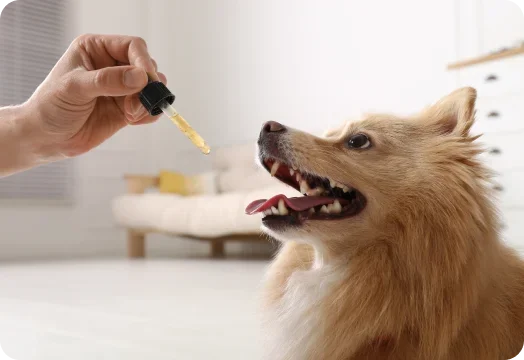
Many families are interested in diet changes, supplements, or other holistic approaches. These may help support overall health and may reduce some side effects of standard treatments. However, they have not been shown to reliably control malignant melanoma on their own.
At Angel Care, we are open to integrative options that are safe and compatible with your pet’s main treatment plan. We will review any products you are considering and help you avoid interactions or delays that might reduce the effectiveness of primary treatments.
A diagnosis of melanoma raises many questions, especially when the tumor is in a sensitive area like the mouth, toes, or eye. Our role is to:
We will not pressure you toward a particular plan. Instead, we will give you clear information, answer your questions, and walk alongside you as you choose the approach that best matches your pet’s needs and your family’s values.