Hemangiosarcoma is an aggressive cancer that forms in blood vessel cells.
Hemangiosarcoma is an aggressive cancer that forms in blood vessel cells. It most often affects the spleen, liver, skin, or heart in dogs, and less commonly in cats. Because these tumors are made of fragile blood vessels, they can rupture and bleed suddenly, which is why many pets are diagnosed after a collapse or emergency visit.
At Angel Care, we focus on helping families understand what this diagnosis means, what treatments are available, and how we can best protect comfort and quality of life for the time a pet has.
Hemangiosarcoma is a malignant tumor of the cells that line blood vessels. Common sites include the spleen, liver, right atrium of the heart, and the skin or tissues just under the skin.
Because it arises from blood vessels, the cancer cells can spread through the bloodstream early in the course of disease. By the time the tumor is found, microscopic spread is often already present, even if imaging looks normal.
Many dogs show vague signs at first such as slowing down, pale gums, decreased appetite, or no signs at all until a tumor suddenly bleeds. A large bleed can cause weakness, collapse, and can be life threatening without urgent care.

Diagnosis usually involves a combination of:
For splenic tumors, the diagnosis is often confirmed after the spleen is removed and examined by a pathologist. Not every bleeding splenic mass is cancer, but hemangiosarcoma is one of the most common causes in middle aged and older dogs.
Staging tests such as chest imaging, abdominal ultrasound, and sometimes echocardiography help look for visible spread and guide treatment planning.

Treatment is tailored to each pet. The main tools are surgery, Chemotherapy, and supportive care.
For many splenic or single abdominal tumors, the first step is emergency or planned surgery to remove the mass and stop internal bleeding. Surgery can stabilize the pet, relieve the immediate risk of a fatal bleed, and give us a tissue diagnosis and more accurate prognosis.
On its own, however, surgery rarely cures hemangiosarcoma. Median survival with surgery alone is often measured in a few months for splenic disease.
Adding chemotherapy after surgery can extend survival time for many dogs. Commonly used drugs include doxorubicin based protocols. Typical expectations are that surgery plus chemotherapy may provide median survival times on the order of several months, often in the range of about six to nine months for many dogs with splenic hemangiosarcoma, with some doing better and some less well.
For tumors in the heart or liver, or in cases with obvious spread at diagnosis, expected times can be shorter. Chemotherapy is generally given every two to three weeks for several treatments. Most dogs tolerate these protocols better than people expect, with our focus on maintaining a good day to day life.

Some pets are not good candidates for aggressive surgery or chemotherapy because of age, other illnesses, or family preferences. There are still ways we can help, including:
Newer or investigational approaches are being studied, including targeted therapies and immune modulating treatments, but for most pets hemangiosarcoma remains a challenging cancer even with advanced care.
For most dogs and cats, hemangiosarcoma is not considered curable with current standard treatments. Our realistic goals are to prevent or treat life threatening bleeding events when possible, to give additional months of good quality time with the family, and to keep the pet comfortable and supported throughout that time.
Without any treatment, or when a bleeding tumor is present and surgery is not pursued, life expectancy is often very short, sometimes days to a few weeks. With surgery alone, some pets may live several weeks to a few months. With surgery plus chemotherapy, many will have several additional months, and a smaller number may do better than average.
Every patient is different. We will talk honestly about what we think is realistic for your individual pet, based on the location of the tumor, staging results, and overall health.

Choosing not to pursue surgery or chemotherapy is a valid and sometimes very kind decision, especially when the pet is very ill or frail, when there is clear evidence of widespread disease, or when a major surgery or repeated hospital visits would not match the pet’s temperament or the family’s wishes.
In those cases, our focus shifts entirely to comfort and quality of life. This may include medications to manage pain, anxiety, and nausea, support for breathing and circulation when appropriate, and guidance on activity, monitoring for new bleeding episodes, and when to seek emergency care.
Without tumor directed treatment, most dogs with internal hemangiosarcoma survive a short time after diagnosis, often only a few weeks, although some experience more gradual decline. We will help you watch for changes that suggest your pet is no longer comfortable and talk through end of life decisions ahead of time, so you are not facing them alone in a crisis.
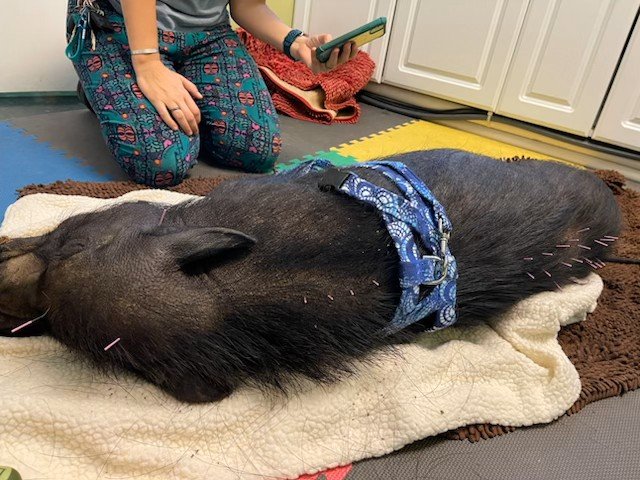
Integrative and holistic approaches such as diet changes, supplements, or acupuncture may be used alongside palliative care to support comfort, but they have not been shown to stop hemangiosarcoma on their own. We will review any products you are considering to avoid interactions or unintended side effects.

A diagnosis of hemangiosarcoma is overwhelming and often arrives suddenly after an emergency visit. Our role is to review your pet’s records, imaging, and pathology results, clarify the stage and location of disease as best we can, and explain all reasonable options from surgery and chemotherapy to palliative only care in clear, honest language.
Our focus is on preserving the best possible quality of life for your pet and meaningful time for your family. We will never pressure you into a specific treatment. Instead, we work with you and your primary veterinarian to build a plan that respects your values, your pet’s comfort, and the medical realities of this cancer.