When you hear the word “cancer,” it can feel like the floor drops out. Then someone mentions chemotherapy, and a new question comes right behind it: Is chemo worth it for my dog?
There is no single right answer. But there are good questions to ask. This guide walks through them in plain words, so you can make a choice that feels right for your dog and your family.
What does “worth it” really mean?
For most families, “worth it” isn’t only about time. It’s about good days. Can your dog still enjoy walks, meals, and naps in the sun? Can they still feel like themselves?
In pet cancer care, the main goal of chemo is to help your dog feel as well as possible for as long as possible. The Veterinary Cancer Society puts it simply: the main goal of treatment is to improve and extend each pet’s quality of life. Chemo can’t promise a cure. How well it works depends on the type of cancer and on your dog. But for some dogs, it can mean more good time with the people they love.
Is chemo for dogs cruel? Is it painful?
This is one of the most common questions families ask. It’s a kind question, because it means you’re putting your dog first.
Chemo for dogs is not the same as chemo for people. Veterinary teams often use some of the same medicines, but at lower doses and in gentler combinations. The goal is to keep your dog comfortable, not to push as hard as possible.
The treatment itself is usually given through a small IV line or as pills at home. Most dogs handle their visits calmly. And if a medicine is causing too many problems, the plan can be changed, slowed down, or stopped.
Does chemo make dogs sick? Common side effects
Most dogs handle chemo well. The Veterinary Cancer Society says most dogs and cats (about 80 to 90 percent) have few or no side effects. A small number of pets have stronger side effects, and in rare cases they can be serious. That’s why we check in closely.
When side effects happen, they are often mild and short-lived. They may include:
- An upset stomach. This can mean a smaller appetite, nausea, vomiting, or loose stool. It often shows up a few days after treatment and passes within a day or two.
- Feeling a bit tired. Your dog may want to rest more for a short time.
- A drop in white blood cells. These are the cells that fight germs. They often dip for a short time after treatment and then bounce back. This is why we check your dog’s blood before each treatment.
Most dogs don’t lose their fur the way people often lose their hair.
We may send home medicines to help prevent stomach upset. You’ll get clear instructions on what to watch for and when to call.
What a chemo visit looks like at Angel Care
Knowing what to expect can make the first visit feel a lot less scary. Here’s how it works at our Memphis clinic.
It starts with a plan you agree to. Chemo only begins after you’ve talked through the options with us and approved a treatment plan and estimate. You’re part of every decision.
A short time in our treatment room. First, we take your pet to our treatment room for a short time to do an exam, place an IV catheter (a small, soft tube in the leg), and draw blood.
Then your pet comes back to you. Once the lab results confirm it’s safe to go ahead, your pet comes back to you, and you’ll stay together until the appointment is over. We don’t offer drop-off appointments, because pets feel safest and calmest with their family nearby.
Sedation only when it helps. Most pets rest comfortably during treatment without sedation. We use light sedation only for longer infusions, usually an hour or more, or for pets who have trouble staying still. If we sedate your pet, we give it after the lab results are back, and the medication we usually use has a reversal agent we can give if a problem comes up.
You can learn more on our Chemotherapy for Pets page and our guide to your pet’s first oncology visit.
Where does integrative care fit in?
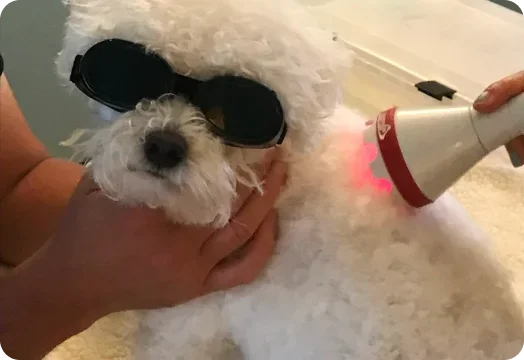
At Angel Care, we combine standard cancer treatment with gentle, natural therapies. These may include things like acupuncture, herbal support, and nutrition guidance. They are meant to support comfort, appetite, and quality of life alongside treatment. They are not a replacement for chemo, and they are not a cure.
We plan everything together so the treatments work well side by side. Please talk with us before starting any supplement or diet change at home. You can read more about our integrative oncology approach.
Should I put my older dog through chemo?
Many families ask this about a 10- or 12-year-old dog. Age alone doesn’t decide it. A healthy older dog may handle treatment just as well as a younger one. What matters more is your dog’s overall health, the type of cancer, and how your dog handles car rides, vet visits, and handling.
It also helps to think about your family’s life. How often can you come in? How will your dog do with visits? These are fair questions, and we’ll talk through them honestly with you.
How much does dog chemo cost?
We know cost is a real part of this decision. There’s no single price, because every plan is different. Things that affect the cost include:
- The type and stage of cancer
- Your dog’s size, since many doses are based on weight
- The type of treatment, such as IV visits, pills at home, or both
- How many visits are needed, and for how long
- Lab work and checkups along the way
- Any medicines sent home to prevent side effects
- Extra tests, imaging, or surgery, if needed
Good questions to ask at a consult:
- What is the goal of this plan: more time, more comfort, or both?
- What does the estimate include, and what might change it?
- How often will my dog need to come in?
- What side effects should I watch for at home?
- What happens if my dog doesn’t handle treatment well?
- What are my other options, including comfort-focused care?
We’ll go over a written estimate with you before anything begins.
Choosing not to do chemo is also a loving choice
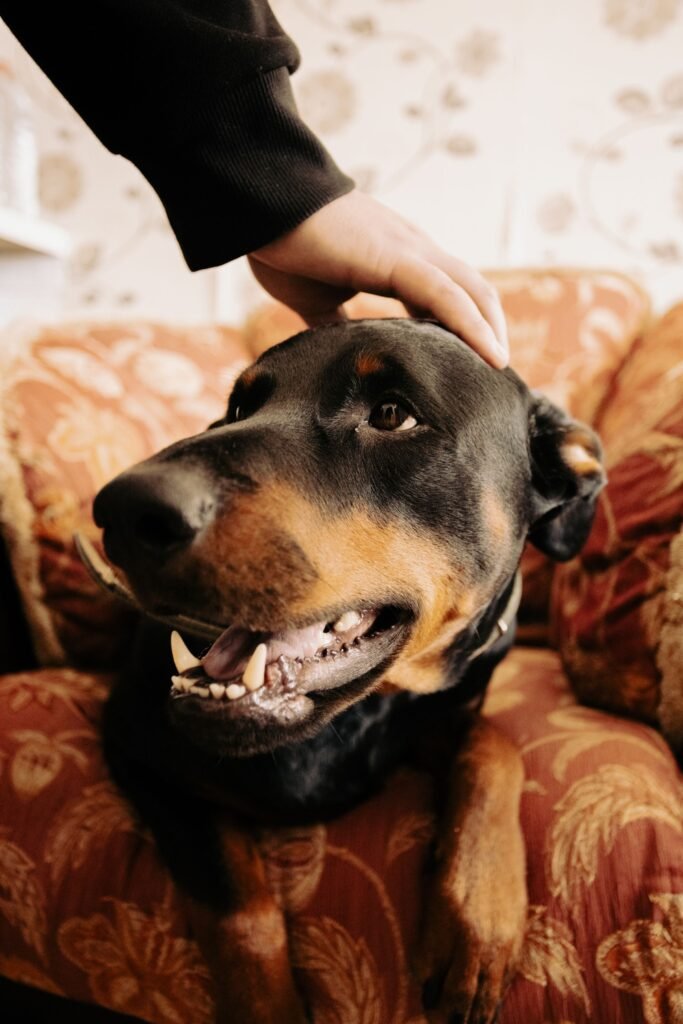
Some families decide chemo isn’t the right fit. That is not giving up. Choosing comfort care, also called palliative care, can be a kind and loving choice. The focus shifts to easing pain, keeping your dog eating, and making each day as good as it can be.
Whatever you choose, the goal is the same: your dog’s quality of life. Our Quality of Life page has more on how we help families through this.
If your pet needs help after hours
If your pet has a temperature over 103°F, pale or gray gums, trouble breathing, collapse, or seems seriously unwell, go to your nearest 24-hour emergency veterinary hospital right away. For concerns that aren’t emergencies, call us at 901-560-3633. Give our AI receptionist your pet’s name and let them know your pet is an oncology patient, and you’ll be transferred to our after-hours line. We check that line periodically during the evening, so for anything urgent, please don’t wait for a call back.
You don’t have to decide alone
If you’re weighing chemo for your dog, we’re glad to talk it through with you. Call or text us at 901-560-3633, or fill out our New Client Form to schedule a consult.