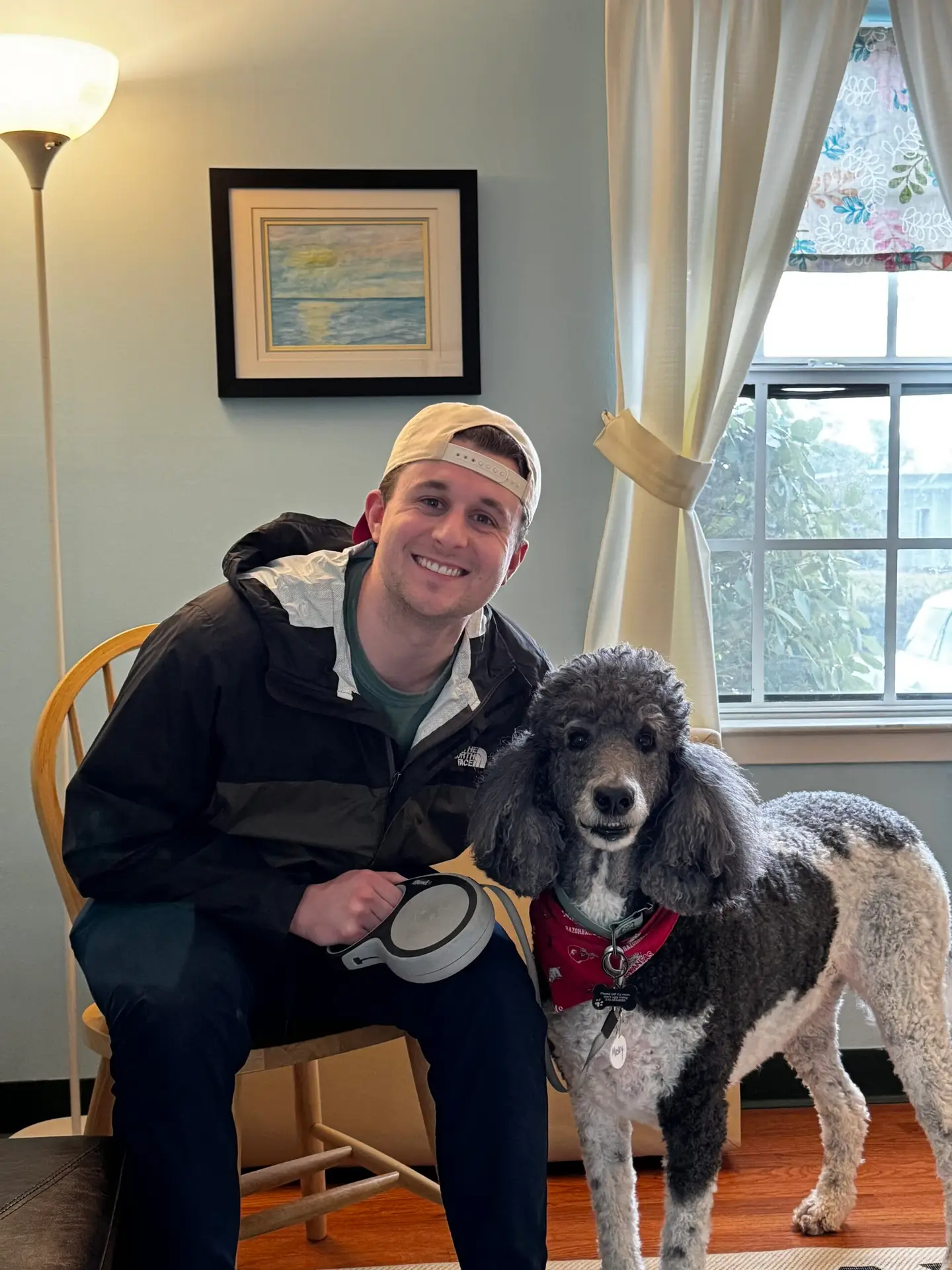
During the first visit, you will meet with a member of the oncology team to talk through your pet’s history, current symptoms, and your biggest concerns.
The team will review records from your primary veterinarian, including lab work, imaging, and any biopsy results, so you do not have to retell the whole story alone.
Your pet will receive a gentle, nose‑to‑tail physical exam with close attention to comfort.
Dr. Mitchener will then explain what is known so far, what still needs to be learned, and which options make sense for your pet and your family.
Most first visits last about 60 to 90 minutes. This gives enough time to listen, answer questions, and build a plan that feels workable for you.

You can help the team get the most out of this visit by bringing:
If your pet is anxious in the car or at the clinic, let the team know ahead of time.
They can coordinate calming strategies or pre‑visit medication with your primary veterinarian to make the experience easier.

Cancer care works best when everyone is on the same team.
This collaboration helps your pet receive consistent, coordinated care while reducing extra trips and stress for your family.
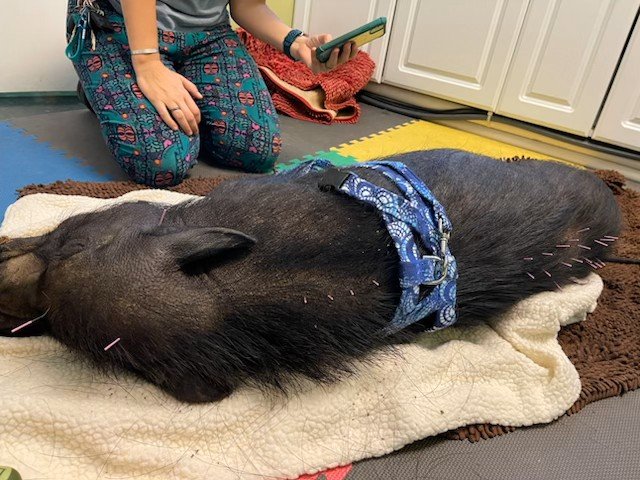
“Staging” means finding out where the cancer is and how it is behaving so decisions can be made thoughtfully.
Depending on your pet’s situation, staging may include:
Not every pet needs every test. The oncologist will talk through which tests are truly helpful for your pet and why, so you understand the purpose behind each recommendation.
Once test results are available, the team will sit down with you to review what they show in clear, simple language.
Together you will discuss:
There is rarely only one “right” choice. The team’s role is to give honest guidance, respect your values, and support whatever thoughtful decision you make.
The shared goal is straightforward. Help your pet “Sit Stay Heal” with as many good days as possible, in balance with the needs of your whole family.