
Mast cell tumors are one of the most common skin cancers in dogs and also occur in cats. They can range from slow growing, low grade tumors that behave almost like benign lumps to high grade tumors that are aggressive and prone to spreading.
At Angel Care, our goal is to help you understand what type of mast cell tumor your pet has, what the realistic treatment options are, and how we can best protect both comfort and long term quality of life.
Mast cells are normal immune cells that live in the skin and other tissues. They help the body respond to allergens and parasites by releasing chemicals such as histamine. A mast cell tumor is a clump of these cells that has grown out of control.
Most mast cell tumors are found in or just under the skin. They can also occur in internal organs such as the spleen, liver, or intestine. Some are small, stable bumps that change very slowly. Others can grow quickly, become red or ulcerated, or cause irritation and itchiness.
Because mast cells release histamine and other chemicals, mast cell tumors can sometimes cause stomach ulcers, vomiting, diarrhea, or unusual bruising. Treating the tumor often improves these symptoms.
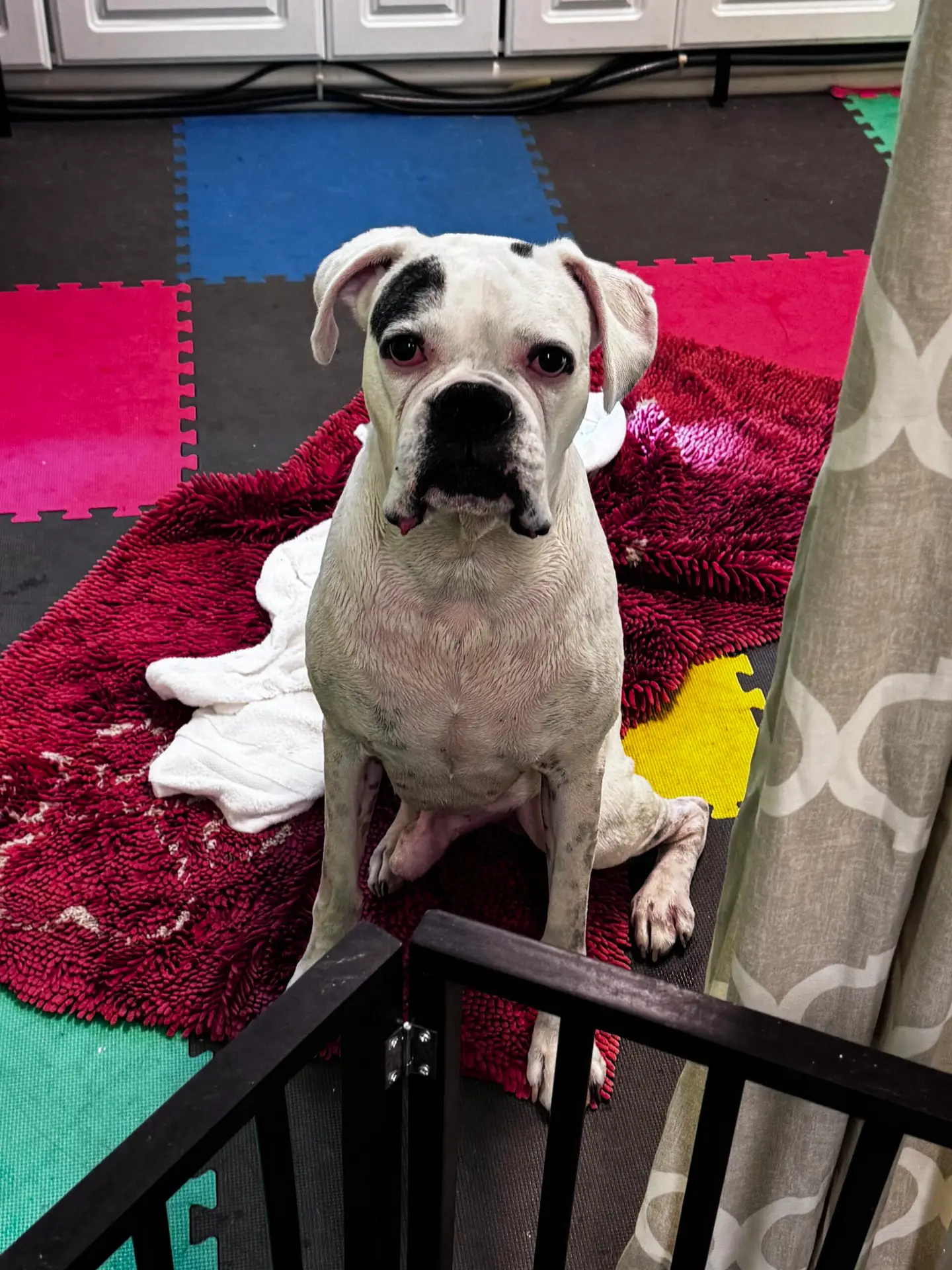
Diagnosis usually starts with a fine needle aspirate of the lump. This is a quick test where a small needle is used to collect cells from the mass for evaluation under the microscope. In many cases this is enough to confirm that the tumor is a mast cell tumor.
The biopsy report tells us about the grade and other features that indicate how likely the tumor is to come back or spread. This information is essential for choosing the right treatment plan.

Mast cell tumors are very variable. Two tumors that look similar on the outside can behave very differently.
Staging means looking for signs that the tumor has spread. This may include lymph node sampling, imaging of the abdomen or chest, and sometimes evaluation of the spleen or liver. Staging helps us give you a more accurate picture of what to expect.

Treatment is tailored to each pet. The main tools are surgery, medical therapy, and supportive care.
Surgical removal is usually the first and most important treatment for mast cell tumors in the skin or subcutaneous tissue. When a low grade tumor is removed with adequate margins of normal tissue around it, surgery alone may be curative.
If the margins are narrow or incomplete, or if the tumor is in a difficult location such as the muzzle, eyelid, or lower leg, we may discuss additional surgery, radiation therapy, or medical treatment to reduce the chance of regrowth.
Medical treatments are especially important for:
Options can include:
The specific plan depends on the grade, stage, and molecular test results when available. The aim is to slow or control the disease while keeping your pet feeling as well as possible.


For tumors that cannot be completely removed, or where another wide surgery would be difficult, radiation therapy can help control remaining cancer cells in the area. It is often combined with surgery and sometimes with medical therapy.
Radiation is not available in every location, so we will discuss whether a referral for this option makes sense for your pet.
Many mast cell tumors, especially low grade tumors that are caught early and removed with clean margins, can be cured or controlled long term. In these cases, pets may live a normal life span with little or no impact from the cancer.
High grade or widely spread tumors are more serious. For these, treatment is focused on gaining additional good quality time and managing symptoms. Even so, a combination of surgery and medical therapy can still provide meaningful months or sometimes years for many patients.
Every case is different. Prognosis depends on grade, stage, location, whether the tumor can be fully removed, and how it responds to treatment.
Some families decide against aggressive surgery or advanced medical therapy, particularly when:
In these situations, we focus on comfort and symptom control. This may include:
Mast cell tumors can change quickly, so we will help you watch for signs such as rapid growth, ulceration, new lumps, or changes in appetite or behavior. Our aim is to manage discomfort early and to support you with clear guidance about when to consider more intensive care or end of life decisions.
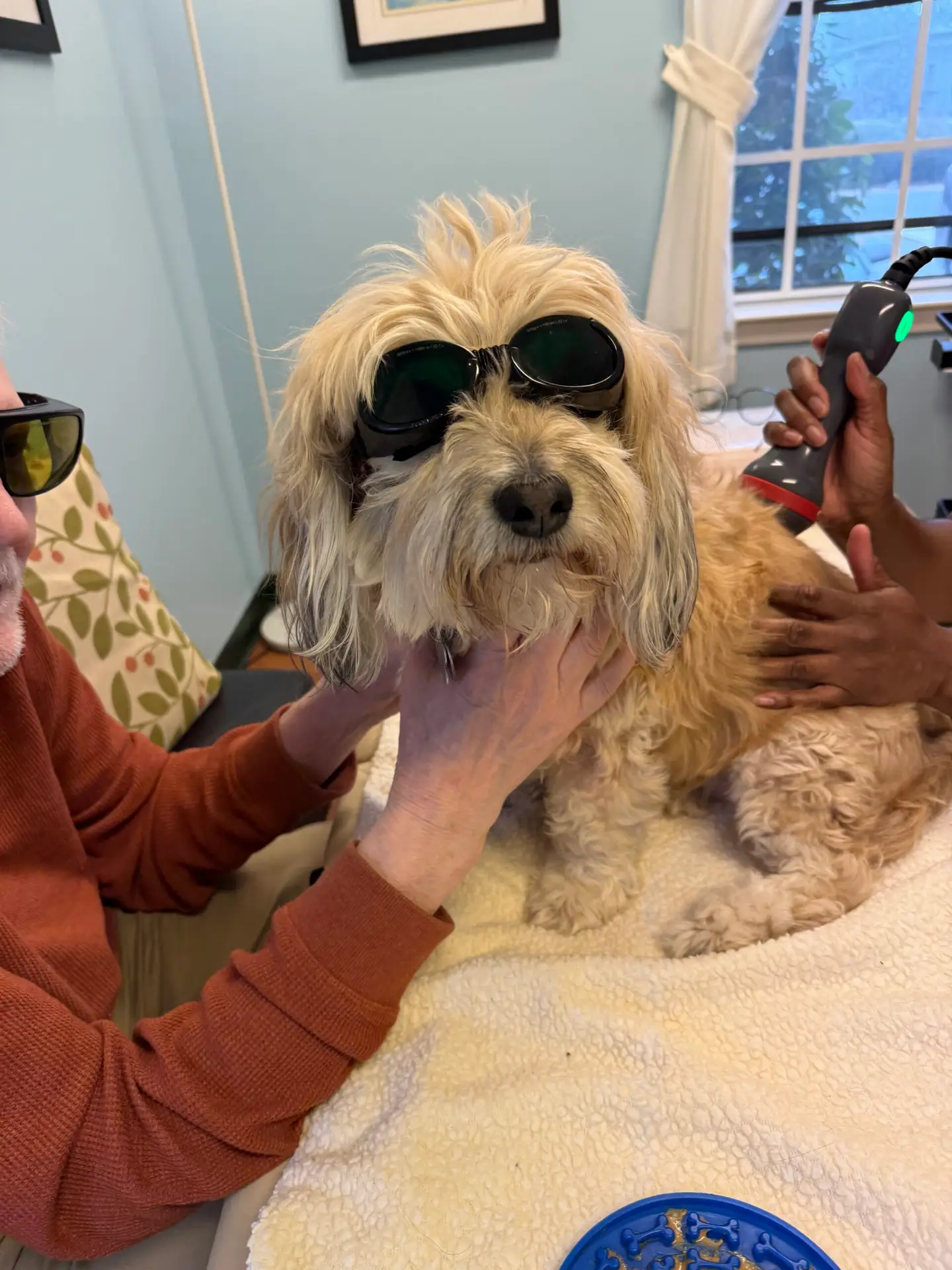
Diet changes, supplements, and other holistic approaches are of interest to many families. Some may help with overall wellbeing or with side effects of treatment, but they have not been shown to replace surgery or medical therapy for controlling mast cell tumors.
At Angel Care, we are open to discussing integrative options that are safe and compatible with your pet’s main treatment plan. We will review any products you are considering, help you avoid harmful interactions, and keep the focus on your pet’s comfort and quality of life.
Hearing that your pet has a mast cell tumor can be confusing, because the behavior of these tumors varies so much from case to case. Our role is to:
We will never rush you or push a particular treatment. Instead, we will help you understand the choices, answer your questions honestly, and build a plan that respects both your pet’s comfort and your family’s values.