
Lymphoma is one of the most common cancers we see in dogs and cats. It affects the lymphocytes, a type of white blood cell that helps the immune system fight infection. When these cells become cancerous, they can travel throughout the body, so lymphoma is considered a systemic disease rather than a single lump or mass.
There are two main types of lymphoma, based on which lymphocyte has become cancerous:
B‑cell lymphoma – the more common form in dogs and generally more responsive to treatment.
T‑cell lymphoma – less common, often more aggressive, and tends to have a shorter average survival time than B‑cell.
Both types can look the same on the outside, for example enlarged lymph nodes under the jaw or behind the knees. We often use special testing (immunophenotyping or flow cytometry) to tell them apart. Knowing whether a pet has B‑cell or T‑cell lymphoma helps us choose the most appropriate treatment plan and give a more accurate prognosis.

Because lymphoma involves the whole body, the main recommended treatment is chemotherapy, sometimes combined with steroids such as prednisone. Our goal is not just to shrink the cancer, but to keep your pet feeling as good as possible for as long as possible.
For many dogs with B‑cell lymphoma, a standard multi‑drug protocol (often called CHOP) can be very effective at shrinking the cancer and helping them feel brighter, more comfortable, and more like themselves again. Some dogs enjoy good quality time with their families for a long period after starting treatment.
Dogs with T‑cell lymphoma can still respond to treatment, and many pets feel better, have more energy, and enjoy their usual routines again, although the behavior of this type of lymphoma can be more variable and depends on the specific subtype and stage.
Remission means that we can no longer find signs of the cancer on examination and tests. It does not always mean cure, but it often means your dog is feeling well and living a more normal daily life. Our focus is to support comfort, joy, and meaningful time together while we monitor and adjust the plan as your dog’s needs change.
Veterinary chemotherapy protocols are designed to protect quality of life first. Most dogs and cats tolerate treatment much better than people typically do. They may have occasional mild nausea, softer stools, or a quiet day, which we work to prevent or treat quickly. Serious side effects are possible but uncommon, and we monitor bloodwork and your pet’s comfort closely at each visit. Our goal is for your pet to feel like their normal self at home on most days.
In dogs and cats, lymphoma is generally managed as a long‑term disease rather than something we can reliably cure, especially once it is affecting multiple areas in the body. With thoughtful treatment, however, many pets enjoy very good quality time, often for an extended period, while keeping much of their normal routine at home. They are frequently able to do the things they love, such as walks, play, and family time, while feeling comfortable. We will always be honest with you about what we see in your individual pet’s case and what each option is most likely to provide, so you can make choices that feel right for your family.
Some families decide against full chemotherapy for personal, financial, or medical reasons. In those cases, we can still help with palliative care, which is treatment focused on comfort rather than controlling the cancer long‑term.
A common palliative option is prednisone alone. About half of dogs with lymphoma will show a partial or complete temporary improvement on prednisone by itself. These remissions are usually short, often on the order of one to two months for dogs and less than a month for cats, and the cancer typically becomes resistant afterward.
Without chemotherapy, or with comfort‑care only, average survival is often measured in weeks, commonly around four to six weeks after diagnosis for untreated high‑grade lymphoma. Every pet is an individual; some do better and some decline more quickly.
Palliative care is not giving up. It can include pain control and anti‑nausea medications, appetite support and individualized nutrition advice, and gentle integrative therapies to support comfort when appropriate. Our role is to help you recognize changes in your pet’s day‑to‑day quality of life and to support you in making decisions that fit your values and your pet’s personality.

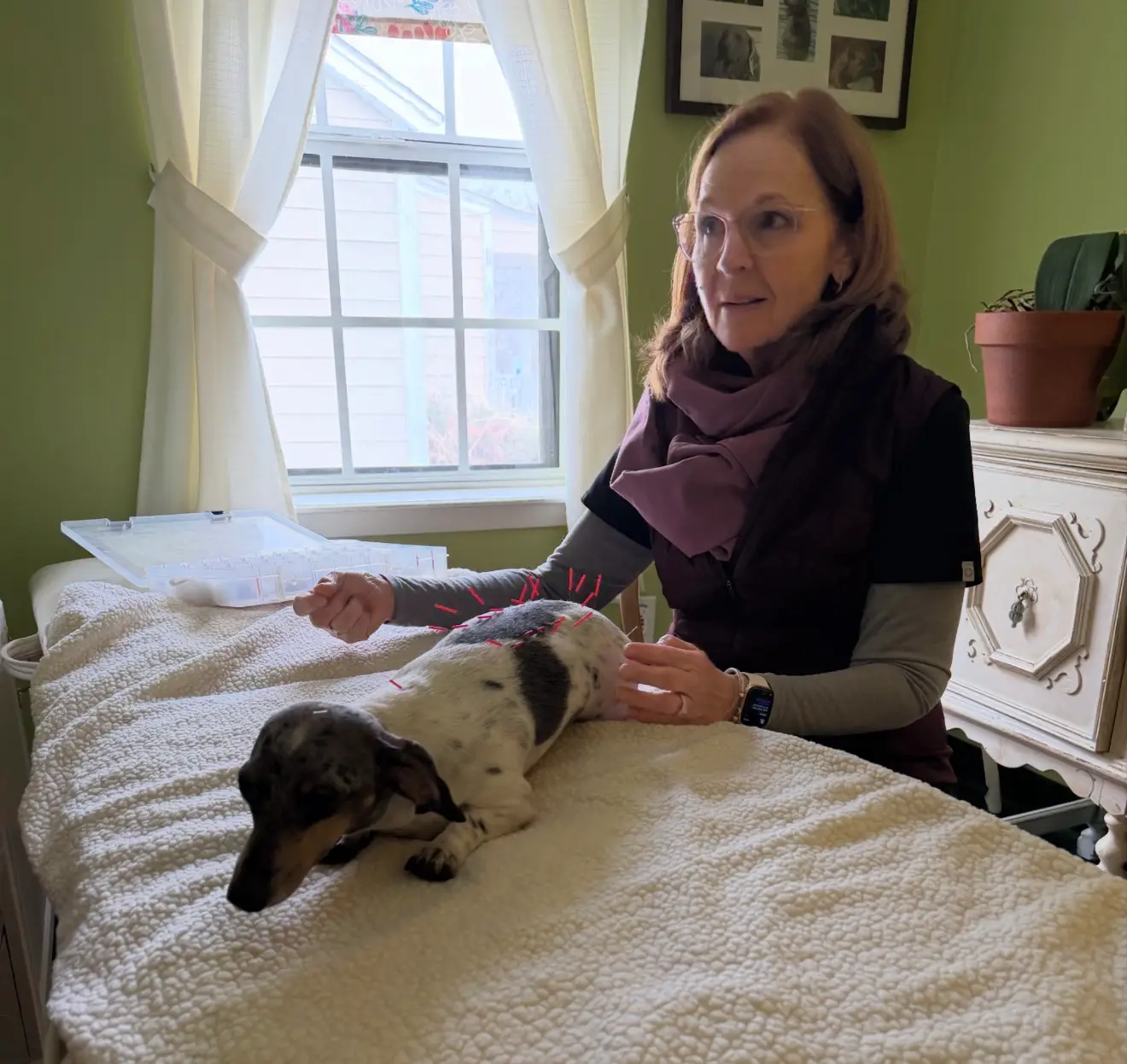
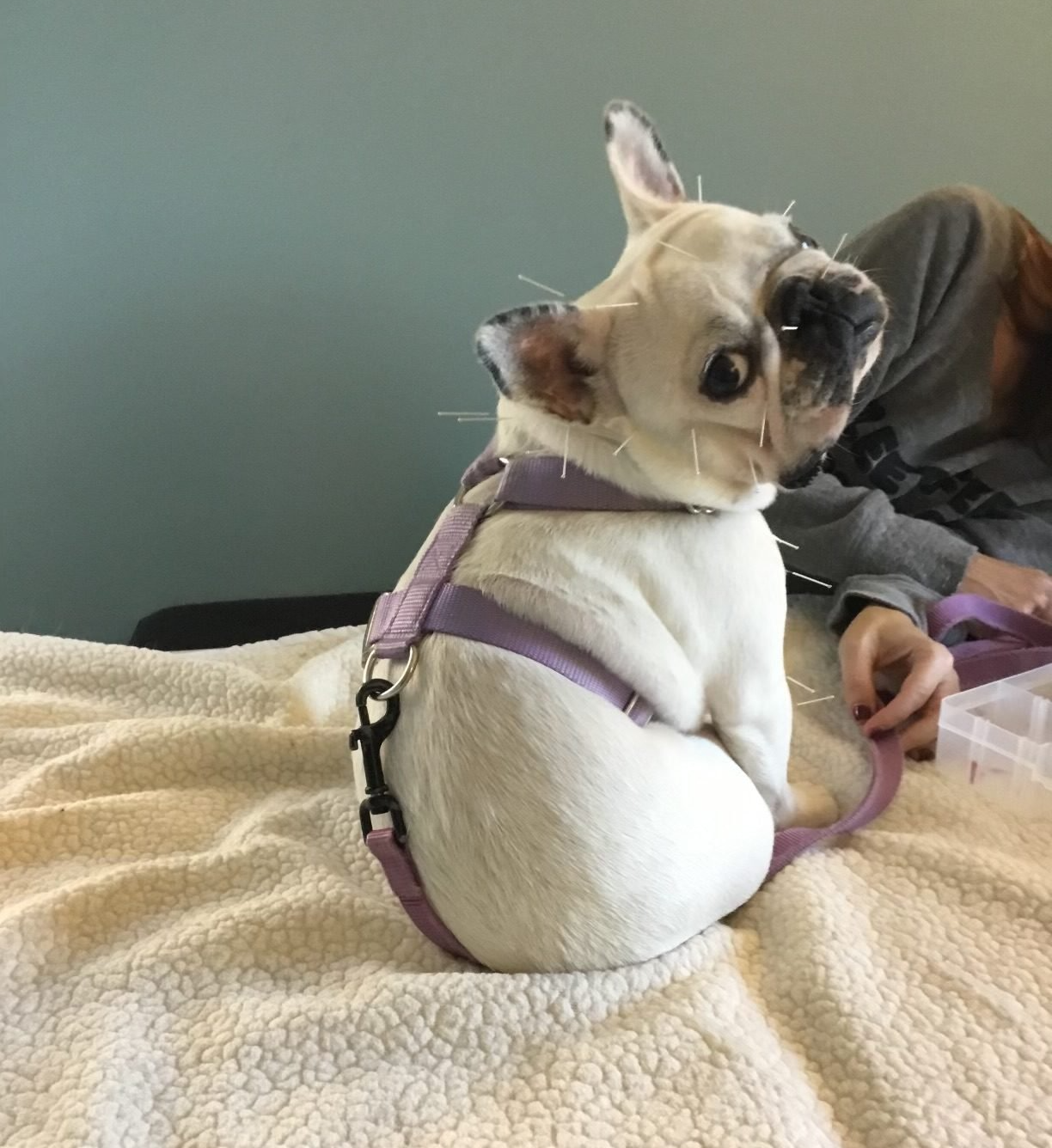
Many families are interested in integrative or holistic care, such as supplements, nutrition changes, acupuncture, or other non‑drug approaches. These can sometimes be helpful as part of a larger plan, but they have not been shown to control lymphoma on their own the way chemotherapy can.
If you choose to decline chemotherapy and use holistic options only, it is important to understand that lymphoma is expected to continue to progress, even if your pet seems brighter for a while. Life expectancy is usually similar to other palliative‑only approaches, often weeks to a few months, depending on the stage at diagnosis and how quickly the cancer is growing.
At Angel Care, we are open to integrating safe, evidence based holistic therapies when they can improve comfort or support overall wellbeing. We will help you evaluate supplements or natural products so they do not interfere with your pet’s primary treatments or cause harm.
Every pet, family, and lymphoma case is different. At your consultation we will review your pet’s diagnosis, staging tests, and whether it is B‑cell or T‑cell lymphoma. We will talk through all reasonable options, from full chemotherapy protocols to prednisone‑only or comfort‑focused care, using clear language and realistic expectations. Our focus is on your pet’s quality of life and your family’s goals, not on selling any particular treatment.
Our job is to walk beside you, answer your questions honestly, and support whatever informed decision you make for your pet.